




San Jose winters don't hit the way Midwest winters do, but that doesn't mean heating installation is optional or simple. Bay Area homes come with their own quirks — older ductwork, tight attic spaces, energy codes that keep changing, and a real push toward electrification. If your furnace is on its last leg, or you're building out a new space, getting the installation right the first time matters more than most homeowners realize.
This guide breaks down what actually goes into a proper heating installation in San Jose, what it costs, and the questions worth asking before you sign a contract.
Do You Actually Need a New Heating System?
Before jumping into installation, it's worth confirming replacement is the right move. A few signs point clearly toward a new system rather than another repair:
Age. Most furnaces last 15–20 years. If yours is in that range and needs a repair, replacement is usually the smarter financial call.
Rising energy bills. Older systems lose efficiency over time, even with regular maintenance.
Uneven heating. Some rooms too hot, others cold, is often a sign the system is undersized, oversized, or failing.
Frequent repairs. If you've called for heating repair more than once this year, the math starts favoring replacement.
Strange noises or smells. Banging, rattling, or a burning smell during startup are not things to wait out.
If two or more of these apply, it's time to talk installation, not another patch job.
Types of Heating Systems for Bay Area Homes
San Jose's mild climate actually opens up more options than colder regions get. The right choice depends on your home's layout, existing ductwork, and whether you want heating and cooling handled by one system.
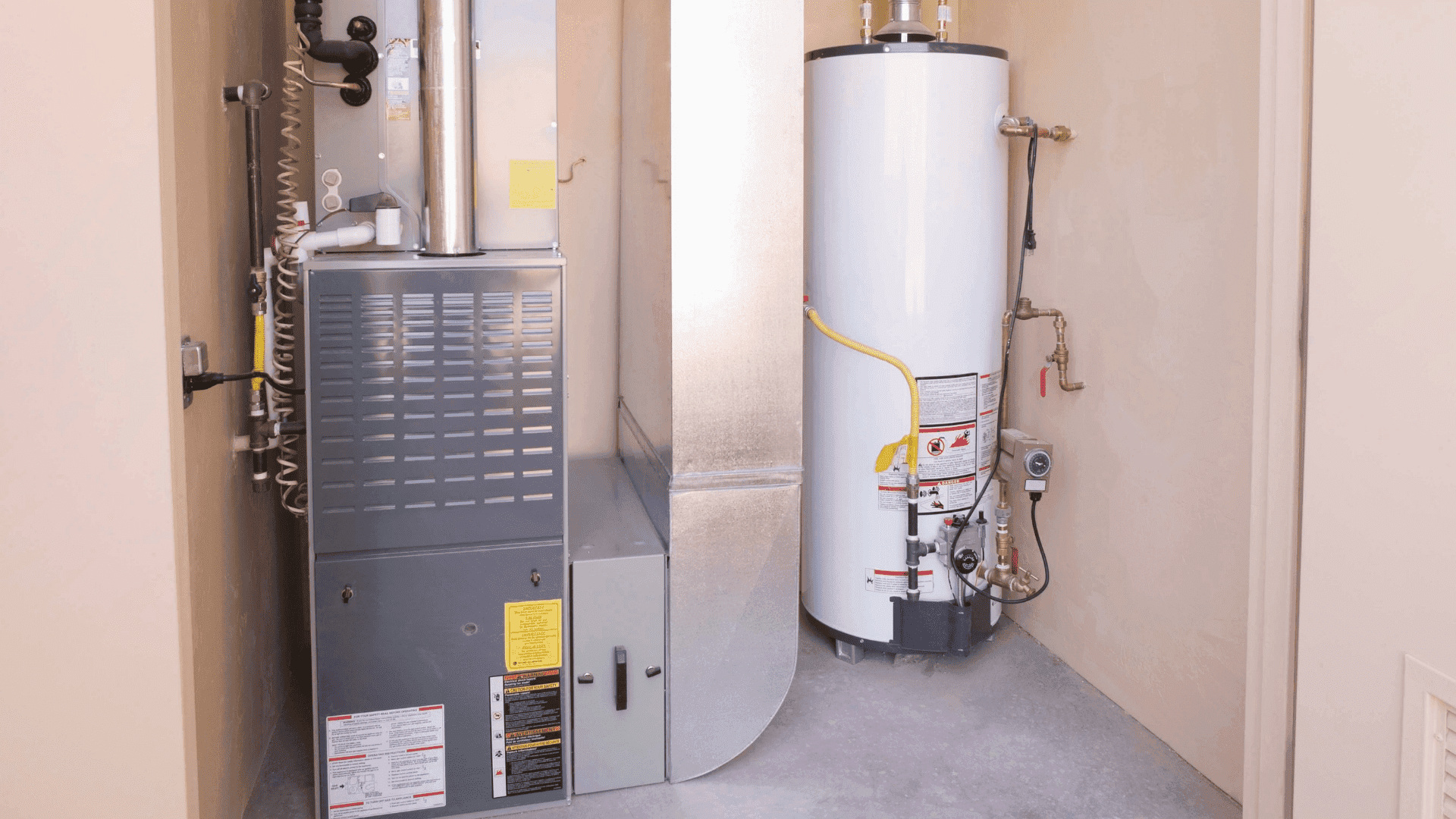
Gas Furnaces Still the most common choice in older San Jose homes that already have ductwork in place. Furnaces heat air quickly and work well paired with a separate AC system.
Heat Pumps Increasingly popular across California, heat pumps handle both heating and cooling in one unit and run efficiently in mild climates like ours. They're also aligned with the state's push toward electrification and often qualify for rebates.
Ductless Mini-Split Systems A strong option for additions, converted garages, or homes without existing ductwork. Mini-splits heat individual zones without the cost of running new ducts through the house.
Dual Fuel Systems A hybrid setup pairing a heat pump with a gas furnace backup, giving you efficiency most of the year with reliable backup heat when needed.
A good contractor won't just ask "furnace or heat pump" — they'll look at your home's square footage, insulation, existing ductwork condition, and electrical panel capacity before recommending anything.
What Drives the Cost of Heating Installation in San Jose
Heating installation costs vary more than most people expect, and the equipment itself is only part of the equation. Here's what actually moves the price:
System type — Heat pumps and dual-fuel systems typically cost more upfront than a standard furnace, though they can pay that difference back in efficiency and rebates.
Home size and layout — Bigger homes or multi-story layouts need more capacity, and sometimes multiple zones.
Existing ductwork condition — If ducts are damaged, undersized, or leaking, factor in repair or replacement costs alongside the new unit.
Permits and inspections — San Jose requires permits for HVAC replacement, and a reputable contractor will pull them and schedule city inspection as part of the job — not as an afterthought.
Electrical upgrades — Heat pumps and some high-efficiency furnaces may require panel upgrades to handle the electrical load.
Get itemized quotes, not just a single bottom-line number. A transparent contractor will break down equipment, labor, permits, and any ductwork work separately.
What a Proper Installation Should Include
A heating installation done right is more than dropping in a new unit where the old one sat. Look for a contractor who includes:
Load calculation (Manual J) to correctly size the system for your home — oversized or undersized units both waste energy and wear out faster
Ductwork inspection to catch leaks or damage before the new system masks the problem
Proper permitting with the City of San Jose, including scheduled inspection
Thermostat compatibility check, especially if you're installing or keeping a smart thermostat
A clear timeline, since most residential installs can be completed in one to two days when ductwork is already in good shape
If a company skips the load calculation or can't tell you whether a permit is being pulled, that's worth a second opinion.
Timing Your Installation
Fall and spring are the best windows for heating installation in the Bay Area. Demand is lower than peak summer AC season or the first cold snap of winter, which usually means faster scheduling and more contractor availability. Waiting until your furnace fails completely, especially during the first cold week of the year, often means longer wait times and less room to compare options.
If your system is already showing warning signs, it's worth scheduling an assessment now rather than waiting for a breakdown.
Choosing a Contractor
Licensing and experience matter more in HVAC than almost any other home trade, because a poorly sized or improperly installed system can cost you in efficiency and comfort for the next 15+ years. Before hiring anyone for heating installation in San Jose, confirm:
They hold an active California C-20 HVAC contractor license
They carry liability insurance
They provide a written, itemized estimate before work begins
They pull permits and schedule city inspections
They have verifiable local reviews, not just testimonials on their own site
Frequently Asked Questions
How long does heating installation take in San Jose? Most residential heating installations are completed in one to two days if existing ductwork is in good condition. Jobs requiring ductwork repair or electrical panel upgrades can take longer.
Is a heat pump a good choice for San Jose's climate? Yes. San Jose's mild winters make heat pumps highly efficient year-round, and many homeowners pair them with existing ductwork for both heating and cooling from one system.
Do I need a permit to install a new furnace in San Jose? Yes, the City of San Jose requires permits for HVAC system replacement, along with a final inspection. A licensed contractor should handle this as part of the installation process.
What's the average lifespan of a new heating system? Furnaces typically last 15–20 years, and heat pumps last 15–20 years as well with regular maintenance. Lifespan depends heavily on installation quality and ongoing service.
Final Thoughts
Heating installation isn't a purchase you want to rush or shop purely on price. The right system, sized and installed correctly by a licensed local contractor, will run more efficiently, need fewer repairs, and last longer than a rushed job from the lowest bidder. If your system is aging or already giving you trouble, get an assessment before the next cold snap forces the decision for you.
Kailey Air Systems has installed and serviced heating systems throughout San Jose and the Bay Area since 1999. Licensed and insured (CA #1093765), we provide upfront pricing, proper permitting, and same-week scheduling for new installations. Call (408) 300-0016 or request a free estimate online.