

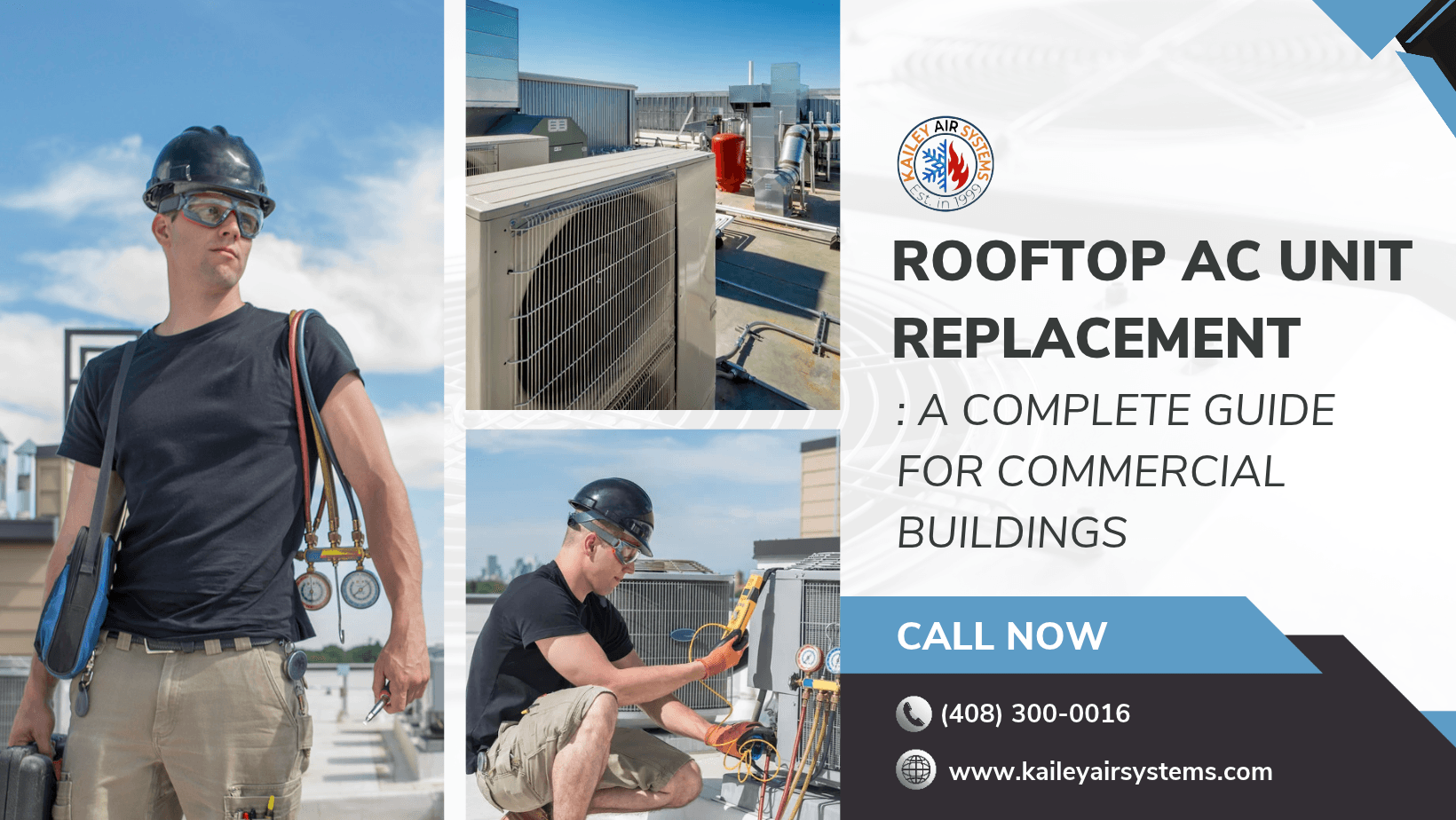
A properly functioning air conditioning system is essential for maintaining a comfortable and productive commercial environment. Offices, retail stores, warehouses, restaurants, and other commercial facilities depend on reliable cooling systems to support daily operations. When an existing rooftop air conditioning unit becomes outdated or develops frequent problems, investing in a professional rooftop AC unit replacement can be a practical long-term solution.
Rooftop air conditioning units, commonly known as RTUs (Rooftop Units), are widely used in commercial buildings because they combine heating, cooling, and ventilation components into a single packaged system. However, continuous operation and exposure to outdoor weather conditions can gradually affect their performance.
Understanding when to replace a rooftop AC unit, how the installation process works, and what factors influence equipment selection can help business owners make informed decisions.
What Is a Rooftop AC Unit?
A rooftop AC unit is a packaged HVAC system installed on the roof of a commercial building. Unlike traditional split air conditioning systems, rooftop units generally contain major heating and cooling components within one cabinet.
These systems distribute conditioned air throughout a building using ductwork and ventilation systems.
Commercial rooftop units are commonly installed in:
Office buildings and corporate facilities.
Shopping centers and retail stores.
Restaurants and hospitality businesses.
Warehouses and industrial facilities.
Medical and educational buildings.
Large commercial properties.
Rooftop HVAC systems offer several advantages, including efficient space utilization, centralized climate control, and convenient access for professional maintenance.
Signs Your Commercial Rooftop AC Unit Needs Replacement
Identifying the warning signs of an aging rooftop HVAC system can help prevent unexpected breakdowns and costly business interruptions.
Here are some common indicators that replacement may be necessary.
1. Frequent Mechanical Breakdowns
If your rooftop AC unit requires repeated repairs, the equipment may be approaching the end of its useful service life. Replacing major components repeatedly can become expensive compared with investing in a modern system.
2. Increasing Energy Bills
Older rooftop units may consume more electricity because of aging components, reduced efficiency, and declining system performance.
If your commercial energy bills continue increasing without a significant change in building usage, consider scheduling an HVAC inspection.
3. Inconsistent Indoor Temperatures
Uneven cooling throughout your facility can indicate problems with airflow, ductwork, compressors, or system capacity.
Although some issues can be resolved through repairs, persistent temperature problems may indicate that your existing equipment needs replacement.
4. Unusual Operating Noise
Grinding, rattling, buzzing, and excessive vibration may indicate mechanical deterioration. A qualified HVAC technician can determine whether the issue requires component repair or a complete system upgrade.
5. Aging Equipment
Commercial rooftop units commonly have an expected service life of approximately 15–20 years, depending on maintenance, operating conditions, and equipment quality.
If your unit is approaching this age range, evaluating replacement options can help you plan ahead rather than waiting for a complete system failure.
Benefits of Replacing an Old Rooftop AC Unit
Installing a modern rooftop HVAC system can provide several operational advantages for commercial properties.
Improved Energy Efficiency: Modern commercial HVAC equipment can offer improved efficiency compared with older systems. Selecting appropriately sized, high-efficiency equipment may help reduce energy consumption.
Better Indoor Comfort: New rooftop units can provide more consistent cooling and improved airflow when properly designed and installed.
Reduced Maintenance Expenses: Replacing aging equipment can reduce the need for repeated repairs and unexpected component failures.
Improved Indoor Air Quality: Modern systems can support better ventilation and filtration when configured with suitable air quality components.
More Reliable Business Operations: Dependable commercial cooling helps maintain comfortable conditions for employees, customers, tenants, and equipment.
Important Factors to Consider Before Rooftop AC Replacement
Choosing a replacement rooftop unit involves more than selecting equipment with the same capacity as the existing system.
Several factors should be evaluated before installation.
Building Size and Cooling Requirements
The replacement unit should be properly sized according to the building's cooling load. Factors such as floor area, occupancy, insulation, windows, equipment heat loads, and ventilation requirements can influence the required capacity.
An oversized or undersized system may create comfort and efficiency problems.
Energy Efficiency Ratings
Compare available equipment efficiency specifications and operating costs. A high-efficiency system may require a higher initial investment but can provide long-term energy savings under suitable operating conditions.
Existing Ductwork Compatibility
Before replacing an RTU, technicians should inspect the existing duct transitions, connections, and rooftop curb. Compatibility issues may require additional modifications during installation.
Electrical and Mechanical Requirements
Commercial rooftop units may require specific electrical configurations, gas connections, and control system compatibility.
Professional assessment helps ensure the new equipment meets the building's technical requirements.
Local Building Codes
Commercial HVAC replacement projects must comply with applicable building, mechanical, electrical, and energy efficiency requirements. In California, Title 24 energy standards are an important consideration.
Working with experienced HVAC professionals helps ensure that installation planning addresses relevant compliance requirements.
Understanding the Rooftop AC Unit Replacement Process
Replacing commercial rooftop equipment requires technical expertise and careful coordination. A professional installation process generally includes the following stages.
1. Initial Site Assessment
Technicians inspect the existing rooftop unit, equipment condition, rooftop curb, ductwork, electrical connections, and cooling requirements.
2. Equipment Selection
Based on the assessment, HVAC professionals recommend a replacement unit with suitable capacity, efficiency, and system compatibility.
3. Installation Planning
The project team coordinates equipment delivery, crane requirements, roof access, permits, and workplace safety arrangements.
4. Removal of Existing Equipment
The old rooftop unit is disconnected and safely removed using appropriate lifting equipment and procedures.
5. New Rooftop Unit Installation
The replacement unit is positioned and secured. Technicians complete the required duct, electrical, gas, and control connections.
6. System Testing and Commissioning
After installation, the system is inspected and tested. Technicians verify airflow, refrigerant charge, electrical operation, temperature performance, and control settings as applicable.
Proper commissioning helps ensure that the new equipment operates according to its design specifications.
Why Professional Rooftop AC Installation Matters
Commercial rooftop AC replacement is a complex project involving heavy equipment, electrical systems, mechanical connections, and rooftop safety considerations.
Professional installation helps reduce the risk of incorrect equipment sizing, improper connections, airflow problems, and operational issues.
Experienced commercial HVAC contractors can also coordinate crane lifting, equipment placement, permits, and installation schedules to minimize disruption to business operations.
For commercial property owners, choosing a qualified contractor is an important part of protecting their HVAC investment.
Reliable Rooftop AC Unit Replacement in San Jose and the Bay Area
Businesses looking for professional rooftop AC unit replacement services in San Jose and surrounding Bay Area communities can explore the commercial HVAC solutions offered by Kailey Air Systems.
The company provides commercial rooftop unit services, including equipment assessment, replacement planning, crane coordination, installation, and system commissioning.
Its technicians help businesses evaluate aging rooftop systems and identify suitable replacement options based on building requirements.
Kailey Air Systems serves commercial properties across San Jose, Santa Clara, Sunnyvale, Mountain View, Los Gatos, Campbell, Fremont, Gilroy, and Morgan Hill.
Whether your existing rooftop AC unit experiences frequent breakdowns or your facility needs an equipment upgrade, professional HVAC guidance can help you plan an effective replacement.
Visit https://kaileyairsystems.com/services/commercial/rooftop-ac-unit-replacement to learn more about rooftop AC replacement services.
For service inquiries, contact Kailey Air Systems at (408) 300-0016.
How Regular Maintenance Protects Your New Rooftop AC Unit
After installing a replacement rooftop unit, preventive maintenance is essential for maintaining reliable performance.
Commercial RTUs operate under demanding conditions and remain exposed to sunlight, rain, dust, and changing outdoor temperatures.
A regular maintenance program should include:
Inspecting and replacing air filters.
Checking belts and blower assemblies.
Cleaning condenser and evaporator coils.
Inspecting electrical connections.
Checking condensate drain lines.
Evaluating refrigerant system performance.
Testing economizer operation.
Inspecting overall system airflow.
Regular professional inspections can help identify developing problems and reduce the likelihood of unexpected equipment failures.
Conclusion
Replacing an aging commercial rooftop air conditioning system is an important investment in building comfort, energy efficiency, and operational reliability.
By recognizing equipment failure signs, evaluating replacement requirements, and choosing a qualified HVAC contractor, business owners can make better decisions about their commercial cooling infrastructure.
If your existing rooftop unit is becoming unreliable or expensive to maintain, consider a professional inspection to determine whether repair or replacement is the better option.
For businesses in San Jose and the Greater Bay Area, Kailey Air Systems provides commercial rooftop AC replacement solutions designed to support dependable building performance.