

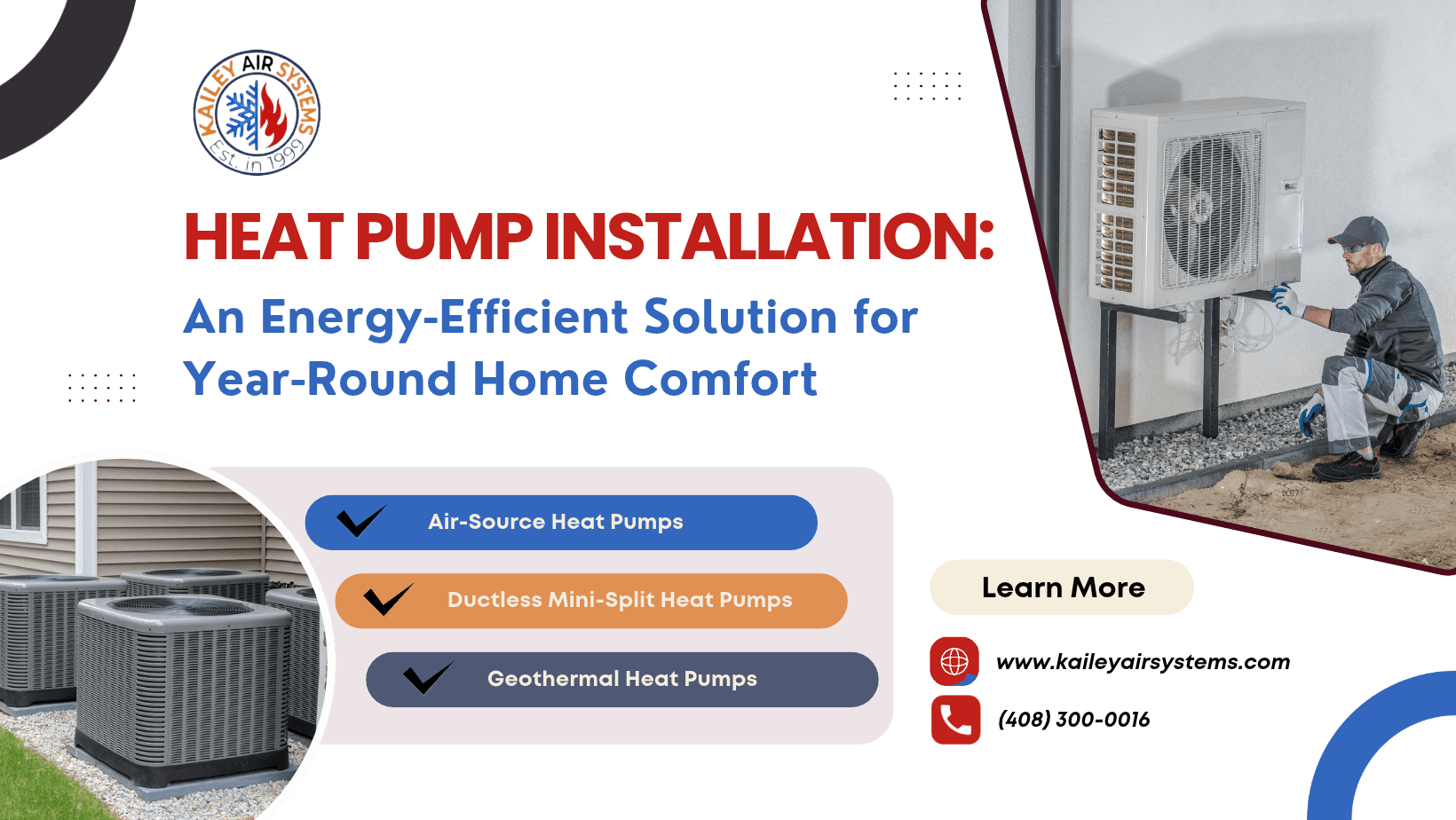
Maintaining a comfortable indoor temperature throughout the year is important for every homeowner. Whether you need reliable heating during winter or efficient cooling during summer, choosing the right HVAC system can make a significant difference. Heat pump installation is becoming a popular option for homeowners looking for an energy-efficient solution that provides both heating and cooling through a single system.
Unlike traditional heating systems that generate heat by burning fuel, heat pumps transfer heat from one location to another using electricity. This technology allows homeowners to enjoy comfortable indoor temperatures while potentially reducing energy consumption.
If you are considering upgrading your existing heating and cooling equipment, understanding how heat pumps work, their benefits, and the installation process can help you make an informed decision.
What Is a Heat Pump and How Does It Work?
A heat pump is an HVAC system designed to provide both heating and cooling for residential and commercial properties. It uses refrigerant and an electrical compressor to transfer heat between indoor and outdoor environments.
During colder months, the system extracts available heat from outdoor air and transfers it inside your home. During summer, the process reverses, removing indoor heat and releasing it outside.
This dual functionality makes heat pumps a practical alternative to separate air conditioning and heating equipment.
Common types of heat pumps include:
Air-Source Heat Pumps: Transfer heat between outdoor air and indoor spaces.
Ductless Mini-Split Heat Pumps: Provide heating and cooling without requiring traditional ductwork.
Geothermal Heat Pumps: Use the relatively stable temperature of the ground to transfer heat.
Ducted Heat Pump Systems: Distribute conditioned air throughout a property using existing or newly installed ductwork.
The right system depends on your property's size, existing HVAC infrastructure, insulation, and heating and cooling requirements.
Benefits of Professional Heat Pump Installation
Installing a modern heat pump can offer several advantages for homeowners looking to improve indoor comfort and energy efficiency.
1. Energy-Efficient Heating and Cooling
One of the biggest advantages of heat pumps is their ability to transfer heat rather than generate it directly through combustion. Under suitable conditions, this process can deliver more heating energy than the electrical energy consumed by the equipment.
A properly selected and installed heat pump can help reduce energy consumption compared with some conventional heating systems.
2. Heating and Cooling in One System
Traditional HVAC setups may require separate equipment for heating and cooling. A heat pump combines both functions into one system.
This can simplify equipment management, reduce the need for separate systems, and provide convenient year-round temperature control.
3. Improved Indoor Comfort
Modern heat pumps can provide consistent heating and cooling when properly sized and installed. Variable-speed technology available in certain models can also help maintain more stable indoor temperatures.
4. Environmentally Friendly Operation
Electric heat pumps do not burn natural gas or other fossil fuels directly at the property during normal operation. When powered by cleaner electricity, they can help reduce household emissions.
5. Potential Long-Term Savings
Although the initial installation cost depends on equipment type and project complexity, an efficient heat pump may reduce long-term heating and cooling expenses.
Actual savings depend on electricity rates, climate conditions, existing equipment efficiency, insulation, and usage patterns.
Signs You May Need a New Heat Pump System
If your current HVAC equipment is becoming unreliable, upgrading to a modern heat pump may be worth considering.
Here are some common signs that indicate it may be time to explore a replacement:
Your existing heating or cooling system is aging.
Energy bills are increasing without a clear explanation.
Your home experiences inconsistent indoor temperatures.
Your HVAC equipment requires frequent repairs.
Your current system struggles to maintain comfortable temperatures.
You want to replace separate heating and cooling equipment with one system.
A professional HVAC technician can inspect your existing equipment and help determine whether a new heat pump is suitable for your home.
What to Consider Before Installing a Heat Pump
Choosing the right heat pump requires careful planning. Simply purchasing a high-efficiency model does not guarantee the best performance.
Several important factors should be evaluated before installation.
Home Size and Heating Requirements: The equipment capacity should match your property's heating and cooling load. Professional load calculations help determine the appropriate system size.
Energy Efficiency: Compare available efficiency ratings, including SEER2 and HSPF2, when evaluating different heat pump models.
Existing Ductwork: If your home already has ductwork, technicians should inspect its condition and compatibility. Homes without ducts may benefit from ductless mini-split systems.
Climate Conditions: Local weather conditions influence heat pump performance. Selecting equipment designed for the property's climate helps ensure reliable operation.
Electrical Requirements: Heat pump installation may require electrical circuit or panel modifications depending on the equipment and existing infrastructure.
Installation Budget: Consider equipment costs, labor, electrical work, ductwork modifications, permits, and available financing options.
Understanding the Heat Pump Installation Process
Professional installation is essential for achieving the expected efficiency, comfort, and reliability of a new HVAC system.
A typical installation process includes several stages.
1. Initial Home Assessment
The HVAC contractor evaluates your property, existing heating and cooling equipment, insulation, ductwork, and electrical infrastructure.
2. System Sizing and Selection
Technicians perform the necessary heating and cooling load calculations to recommend an appropriately sized heat pump.
The contractor can also explain available equipment options, efficiency ratings, and installation requirements.
3. Removal of Existing Equipment
If you are replacing an older furnace or air conditioning system, the existing equipment may need to be safely disconnected and removed.
4. Indoor and Outdoor Unit Installation
The installation team positions the indoor and outdoor components according to manufacturer specifications. Refrigerant lines, electrical connections, condensate drainage, and control wiring are installed as required.
5. System Testing and Commissioning
After installation, technicians test the system in both heating and cooling modes. They check airflow, refrigerant charge, electrical connections, thermostat operation, and overall performance.
6. Customer Guidance
The installation process should conclude with an explanation of thermostat operation, maintenance requirements, and equipment warranty information.
Proper commissioning helps ensure the new system operates according to its design specifications.
Why Choose Professional Heat Pump Installation Services?
Heat pump systems involve electrical connections, refrigerant circuits, airflow calculations, and specialized equipment. Incorrect installation can reduce efficiency, affect indoor comfort, and lead to unnecessary repairs.
Working with qualified HVAC professionals offers several advantages:
Accurate system sizing and equipment selection.
Proper electrical and refrigerant connections.
Professional equipment installation.
System testing and performance verification.
Guidance on maintenance and operation.
Assistance with applicable installation requirements.
Choosing an experienced contractor helps protect your HVAC investment and supports reliable system performance.
Professional Heat Pump Installation in San Jose, CA
Homeowners searching for reliable heat pump installation services in San Jose and surrounding Bay Area communities can explore the residential HVAC solutions offered by Kailey Air Systems.
The company provides professional heat pump installation services designed to improve home comfort and energy efficiency. Its technicians evaluate property requirements, perform system sizing, recommend suitable equipment, and complete installations with attention to system performance.
Kailey Air Systems serves homeowners across San Jose, Santa Clara, Sunnyvale, Mountain View, Los Gatos, Campbell, Fremont, Gilroy, and Morgan Hill.
Whether you are replacing an older furnace, upgrading your existing HVAC system, or considering an energy-efficient heating and cooling solution, professional installation guidance can help you select the right equipment.
Visit https://kaileyairsystems.com/services/residential/heat-pump-installation-services to explore heat pump installation options.
For installation inquiries or a free estimate, contact Kailey Air Systems at (408) 300-0016.
How to Maintain Your New Heat Pump
Once your heat pump is installed, regular maintenance helps maintain its performance and reliability.
Here are some basic maintenance recommendations:
Clean or replace air filters regularly.
Keep the outdoor unit free from leaves and debris.
Maintain clear airflow around the outdoor equipment.
Check thermostat settings and operation.
Keep indoor vents unobstructed.
Schedule professional inspections before major heating and cooling seasons.
Address unusual noises or changes in system performance promptly.
Most residential heat pumps benefit from professional maintenance twice a year because they provide both heating and cooling throughout the year.
Conclusion
Heat pumps offer a practical solution for homeowners seeking efficient heating and cooling from a single HVAC system. With benefits such as year-round comfort, improved energy efficiency, and convenient temperature control, they are worth considering when upgrading an existing heating and cooling system.
However, choosing the right equipment and ensuring professional installation are essential for achieving dependable results.
If you are planning a heating system upgrade, consider consulting experienced HVAC professionals to evaluate your property and recommend a suitable solution. For homeowners in San Jose and the Greater Bay Area, Kailey Air Systems provides heat pump installation services to support comfortable and efficient homes throughout the year.