




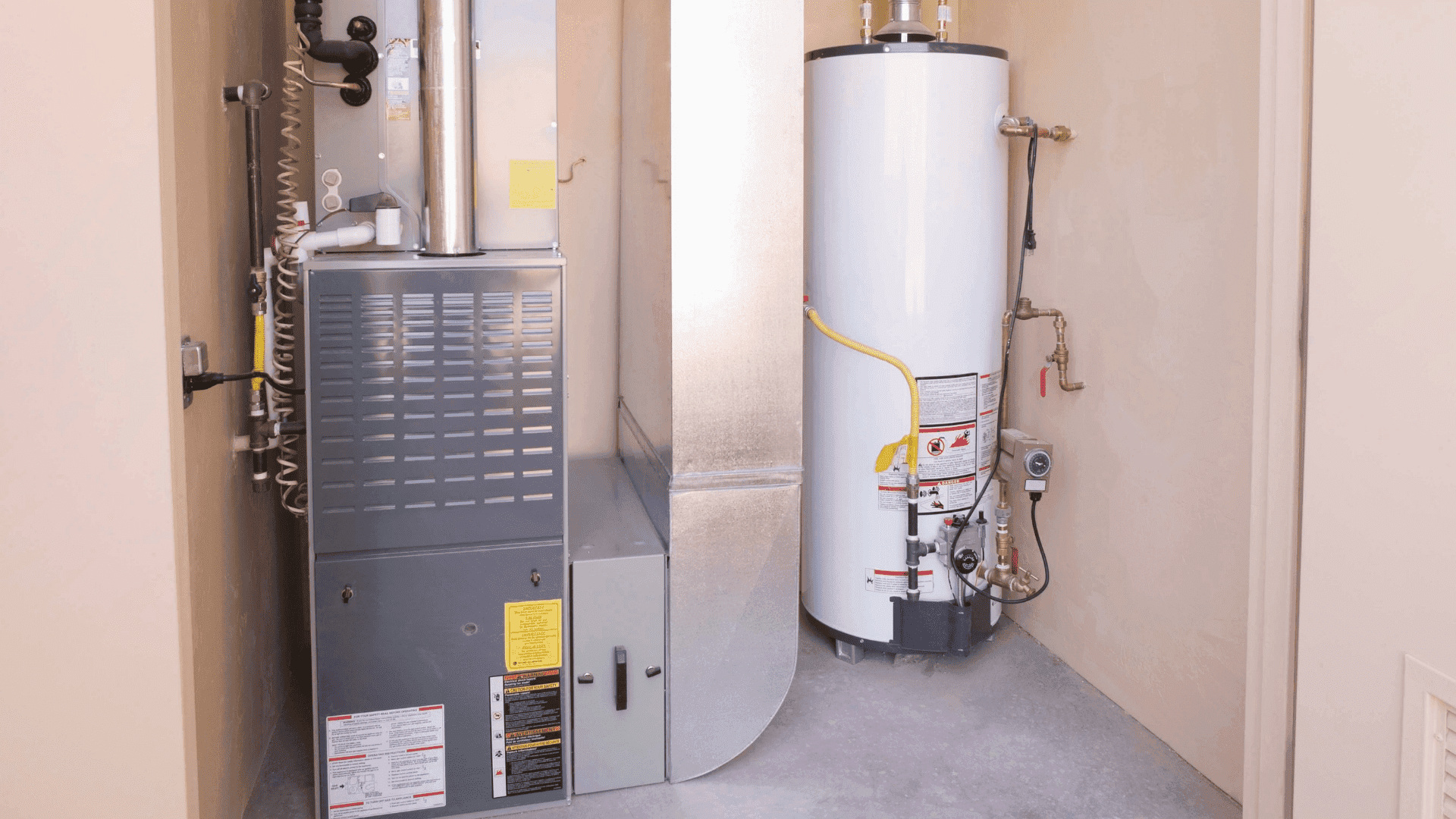
If your furnace keeps turning on, running for just a few minutes, then shutting off — over and over — you're dealing with a problem called short-cycling. It's one of the most common furnace complaints we get calls about in San Jose, and it's not something to ignore. Short-cycling wastes energy, wears out expensive components early, and is often a warning sign of a bigger issue underneath.
Here's what's actually happening, why it matters, and how our technicians diagnose and fix it — usually in a single visit.
What Is Furnace Short-Cycling?
Short-cycling means your furnace starts a heating cycle, runs briefly (often less than 5-10 minutes), and shuts off before your home reaches the temperature set on the thermostat. Then, minutes later, it kicks back on and repeats the pattern.
A healthy furnace should run in longer, steady cycles — typically 10 to 20 minutes — until it satisfies the thermostat, then rest until heat is needed again. When that rhythm breaks down into rapid on-off-on cycling, your system is telling you something is wrong.
Why Short-Cycling Is a Bigger Deal Than It Seems
Homeowners sometimes assume short-cycling is just annoying — a little noisy, maybe raises the utility bill. In reality, it causes real damage over time:
Higher energy bills. Every start-up draws a surge of electricity and gas. Frequent restarts burn more energy than one full, steady cycle.
Uneven heating. Short bursts of heat don't have time to circulate, so some rooms stay cold while the system keeps kicking on.
Premature wear on parts. The blower motor, ignitor, and heat exchanger all take the most stress during start-up. Constant cycling shortens their lifespan significantly.
Safety concerns. In some cases, short-cycling is caused by a safety switch shutting the system down to prevent overheating or a cracked heat exchanger — which can be a health and safety issue, not just a comfort one.
Left alone, short-cycling almost always gets worse and more expensive to repair the longer it's ignored.
Common Causes of Furnace Short-Cycling
When we get a short-cycling call, these are the culprits we check first:
1. Dirty or Clogged Air Filter
A blocked filter restricts airflow, causing the furnace to overheat internally. The high-limit safety switch then shuts the burner off to protect the heat exchanger — even though your home hasn't reached temperature yet. This is, by far, the most common cause we find, and often the easiest fix.
2. Overheating Heat Exchanger
If airflow has been restricted for a while, or the heat exchanger itself is cracked or damaged, the furnace can overheat quickly and shut down repeatedly as a safety measure.
3. Faulty Thermostat
A miscalibrated or failing thermostat can send incorrect signals, telling the furnace the home is already warm enough when it isn't — triggering the system to shut off too early.
4. Oversized Furnace
If your furnace was installed with too much capacity for your home's square footage, it heats the space so quickly that it satisfies the thermostat almost immediately, then shuts off, only to kick back on minutes later. This is a sizing issue that often goes back to installation.
5. Flame Sensor Issues
A dirty or failing flame sensor can cause the furnace to think the flame isn't lit properly, shutting the gas valve as a safety precaution shortly after ignition.
6. Blocked Vents or Ductwork
Closed vents, blocked returns, or crushed ductwork restrict airflow the same way a dirty filter does — forcing the system into protective shutdowns.
How We Diagnose and Fix Short-Cycling
When one of our technicians arrives for a short-cycling call, we don't just replace parts and hope for the best. Our process typically looks like this:
Check airflow first. We inspect the filter, return vents, and supply registers, since restricted airflow is behind most short-cycling calls.
Inspect the heat exchanger and burners for cracks, soot, or damage using diagnostic tools.
Test the flame sensor and ignitor for proper function and clean or replace as needed.
Verify thermostat calibration and wiring to rule out false signals.
Review system sizing against your home's square footage if the furnace is relatively new and still cycling short.
Provide an upfront quote before any repair work begins — no surprises, no pressure.
Most short-cycling repairs are resolved in a single visit, and many are more affordable than homeowners expect — a clogged filter or dirty flame sensor is a quick fix, not a system replacement.
When Short-Cycling Means It's Time for a New Furnace
Occasionally, short-cycling is a symptom of a furnace nearing the end of its life — especially if the unit is 15+ years old, has a cracked heat exchanger, or has needed multiple repairs in the past year. In those cases, we'll always give you an honest assessment of repair versus replacement costs, along with financing options, so you can make the decision that makes sense for your home and budget.
Don't Wait Out a Short-Cycling Furnace
A furnace that short-cycles isn't going to fix itself, and every cycle adds wear to parts that get more expensive to replace the longer the problem sits. If your heater is turning on and off every few minutes, give us a call.
Kailey Air Systems has been repairing furnaces throughout San Jose, Santa Clara, Sunnyvale, Mountain View, Los Gatos, and the greater Bay Area since 1999. We offer same-day service, upfront pricing, and 24/7 emergency repairs with no after-hours surcharge.
📞 Call (408) 300-0016 or schedule your furnace repair online today.
Frequently Asked Questions
Why does my furnace turn on and off every few minutes?
This is called short-cycling, and it's most often caused by restricted airflow (a dirty filter or blocked vents) triggering the furnace's safety shutoff, though it can also be caused by a faulty thermostat, flame sensor, or an oversized unit.
Is furnace short-cycling dangerous?
It can be. Short-cycling is sometimes caused by an overheating heat exchanger, which in rare cases can develop cracks that allow carbon monoxide into your home. If your furnace is short-cycling, it's worth having a technician inspect it rather than waiting.
Can I fix furnace short-cycling myself?
Replacing a dirty air filter is a simple DIY check worth trying first. If that doesn't resolve it, the remaining causes — flame sensors, thermostats, heat exchangers, sizing issues — require a licensed technician to diagnose safely.
How much does it cost to fix a short-cycling furnace?
Costs vary depending on the cause. A dirty filter or flame sensor cleaning is typically inexpensive, while heat exchanger issues or sizing problems cost more. We always provide an upfront quote before starting any repair.
How quickly can Kailey Air Systems respond to a furnace issue?
We offer same-day appointments for most furnace repair calls in the San Jose Bay Area, plus 24/7 emergency service with no after-hours surcharge.