




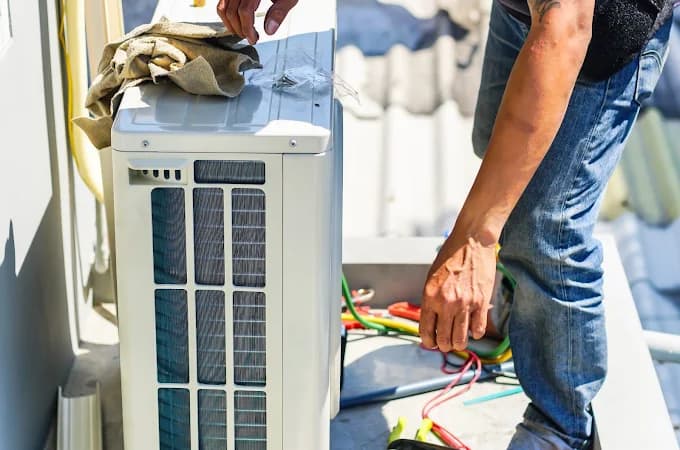
Every summer, our phones start ringing the moment San Jose hits its first real heat wave. After more than two decades of service calls across the Bay Area — from Willow Glen to Almaden Valley — we've noticed the same handful of problems show up again and again. If your AC has ever quit on you in the middle of a 95-degree afternoon, there's a good chance it was one of these five issues.
1. Dirty or Clogged Air Filters
This is, by far, the most common issue we find on service calls. A clogged filter restricts airflow, forcing your system to work harder and run longer to cool the same space. Over time, this strain can freeze the evaporator coil or burn out the compressor — the most expensive part to replace in the entire system.
What we typically see: Homes that haven't changed their filter in 3–6 months, especially in areas near Highway 101 or Interstate 280 where dust and pollen build up faster.
The fix: Check your filter monthly during peak summer use and replace it every 60–90 days. If you have pets, cut that timeline in half.
2. Low Refrigerant Levels
Refrigerant doesn't get "used up" the way gasoline does. If your system is low on refrigerant, it almost always means there's a leak somewhere in the line set or coil. Low refrigerant makes your AC blow warm or lukewarm air, and running a system this way for extended periods can damage the compressor.
What we typically see: Older systems (10+ years) in Santa Clara and Sunnyvale homes where the original refrigerant lines have started to corrode, especially units installed before 2015.
The fix: If your AC is running constantly but not cooling effectively, that's a sign to call for a diagnostic rather than just topping off refrigerant — a proper repair means finding and sealing the leak first.
3. Overworked Systems During Heat Waves
Bay Area homes, particularly older ones built in the 60s and 70s, often have HVAC systems sized for a climate that didn't see the kind of sustained 90+ degree stretches we get now. When a system that was already borderline runs nonstop for days, components like the capacitor and fan motor take on stress they weren't built for.
What we typically see: A spike in emergency calls during the first heat wave of the season — not because units are broken, but because they've been idle and suddenly forced into heavy use.
The fix: Get a pre-season tune-up in spring, before the first real heat wave hits. It's the single best way to catch a weak capacitor or a struggling motor before it fails on the hottest day of the year.
4. Electrical and Capacitor Failures
The capacitor is what gives your AC's compressor and fan motor the jolt of energy they need to start up. Capacitors degrade with heat and age, and Bay Area summers put real stress on them. A failing capacitor often shows up as a unit that hums but won't start, or one that shuts off shortly after turning on.
What we typically see: Capacitor failures cluster heavily in July and August, almost exactly tracking with our hottest weeks. Units that are 7+ years old are especially vulnerable.
The fix: A capacitor is a relatively inexpensive part, but it can only be diagnosed and safely replaced by a licensed technician — there's real risk of electrical shock working around it, so this isn't a DIY fix.
5. Poor or Blocked Airflow Around the Outdoor Unit
Your outdoor condenser unit needs open space to release heat effectively. We've walked into more backyards than we can count where the condenser is boxed in by fencing, overgrown shrubs, or stored patio furniture — all of which trap heat around the unit and force it to work harder.
What we typically see: This is especially common in South Bay homes with smaller side yards, where homeowners store bins or bikes right next to the unit without realizing it's affecting performance.
The fix: Keep at least two feet of clearance on all sides of your outdoor unit, and hose off the coil fins gently once or twice a season to clear dust and debris.
Bay Area Homeowners: Here's the Simple Fix
Most AC failures we see aren't sudden — they're the result of small issues that built up over months and finally gave out under summer stress. A yearly tune-up before the season starts catches the majority of these problems while they're still cheap, quick fixes rather than emergency repairs.
If your system has been acting up — short-cycling, blowing warm air, or making unusual noises — it's worth getting it looked at before the next heat wave, not after it fails during one.
Need a pre-season AC checkup or emergency repair in San Jose, Santa Clara, or the surrounding Bay Area? Kailey Air Systems has been servicing homes and businesses across the region since 1999. Call us at (408) 300-0016 for same-day service, or schedule online anytime.