




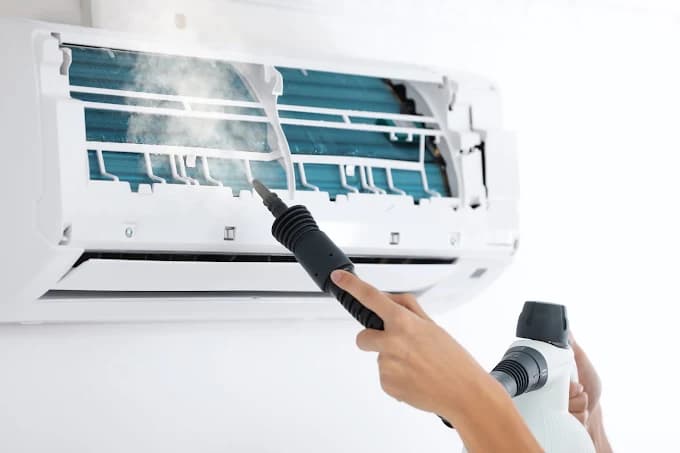
Mountain View's mild climate can make it easy to forget how much you rely on your air conditioner, until a heatwave hits and the system quits. Whether you work from home in a Silicon Valley apartment or run a small office near downtown, a failing AC is more than an inconvenience. This guide covers the most common AC problems, what you can check yourself, and when to call a professional.
Signs Your AC Needs Repair
Air conditioners rarely fail without warning. Watch for these red flags:
Warm or weak airflow. The system runs but the air isn't cold, or it barely comes out of the vents.
Strange noises. Grinding, squealing, rattling, or buzzing often points to worn motors, loose parts, or failing bearings.
Unusual smells. A musty odor can mean mold in the ducts or drain line, while a burning smell can signal an electrical problem.
Short cycling. The AC turns on and off every few minutes instead of running full cycles.
Higher energy bills. A sudden jump without a change in usage suggests the system is working harder than it should.
Water or ice. Puddles near the indoor unit or ice on the refrigerant lines usually means a clogged drain or an airflow or refrigerant issue.
Common Causes of AC Problems
Dirty air filters. A clogged filter restricts airflow and forces the system to work harder. It's one of the most common and most preventable causes of AC trouble.
Low refrigerant. Refrigerant runs in a closed loop, so low levels typically mean a leak. Topping it off without fixing the leak only delays the problem.
Faulty capacitor or contactor. These electrical parts start and run your compressor and fans. When they wear out, the unit may hum without starting or fail to turn on at all.
Frozen evaporator coil. Restricted airflow or low refrigerant can cause the coil to ice over, which blocks cooling completely.
Clogged condensate drain. Algae and debris can block the drain line, causing leaks and sometimes triggering a safety shutoff.
Thermostat issues. Sometimes the AC is fine and the thermostat is the culprit, whether from dead batteries, bad wiring, or incorrect settings.
Quick Checks Before You Call
A few simple steps can rule out easy fixes:
Check the thermostat. Make sure it's set to "Cool," the temperature is below the room temperature, and the batteries are fresh.
Inspect the air filter. Replace it if it's dirty.
Check the breaker. If the AC tripped the breaker, reset it once. If it trips again, stop and call a technician.
Look at the outdoor unit. Clear leaves, dust, or debris from around it so air can flow freely.
Check the vents. Make sure they're open and not blocked by furniture or rugs.
If none of these fix the problem, it's time for professional help. Avoid opening electrical panels or handling refrigerant yourself, as both are unsafe without proper training and equipment.
Repair or Replace?
Not every breakdown means a new system. Repair usually makes sense when the unit is relatively new, the issue is a single part, and the system has been well maintained. Replacement is worth considering when:
The system is old and repairs are becoming frequent
Repair costs are approaching a significant fraction of a new unit's price
The system uses an older refrigerant that is being phased out
Energy bills keep climbing despite maintenance
A good technician will explain both options clearly and let you decide, rather than pushing you toward the most expensive one.
Why Fast Repair Matters
Putting off AC repair often makes things worse. A small refrigerant leak or failing capacitor can damage the compressor, which is the most expensive component in the system. Acting early usually means a simpler fix, lower cost, and less time without cooling. For businesses, quick repair also protects customer comfort and employee productivity.
Prevent Future Breakdowns
Regular maintenance is the best way to avoid emergency calls:
Replace or clean filters regularly
Schedule a professional tune-up before the warm season
Keep the outdoor unit clear of debris
Have coils, drains, and electrical components inspected
Address odd noises or performance changes early
Choosing an AC Repair Company in Mountain View
When comparing providers, look for:
Clear communication. Upfront explanations of the problem and your options
Availability. Prompt scheduling, ideally including emergency service
Experience with your system type. Residential, commercial, or rooftop units
Transparent estimates. No surprises after the work begins
Positive local reviews. Feedback from real customers in your area
Get AC Repair in Mountain View
If your air conditioner is blowing warm air, making noise, or won't turn on, Kailey Air Systems can help. We provide air conditioning repair in Mountain View homes and businesses, along with installation and maintenance to keep your system running reliably.
Ready to get cool again? Visit kaileyairsystems.com to request service or schedule a visit.