




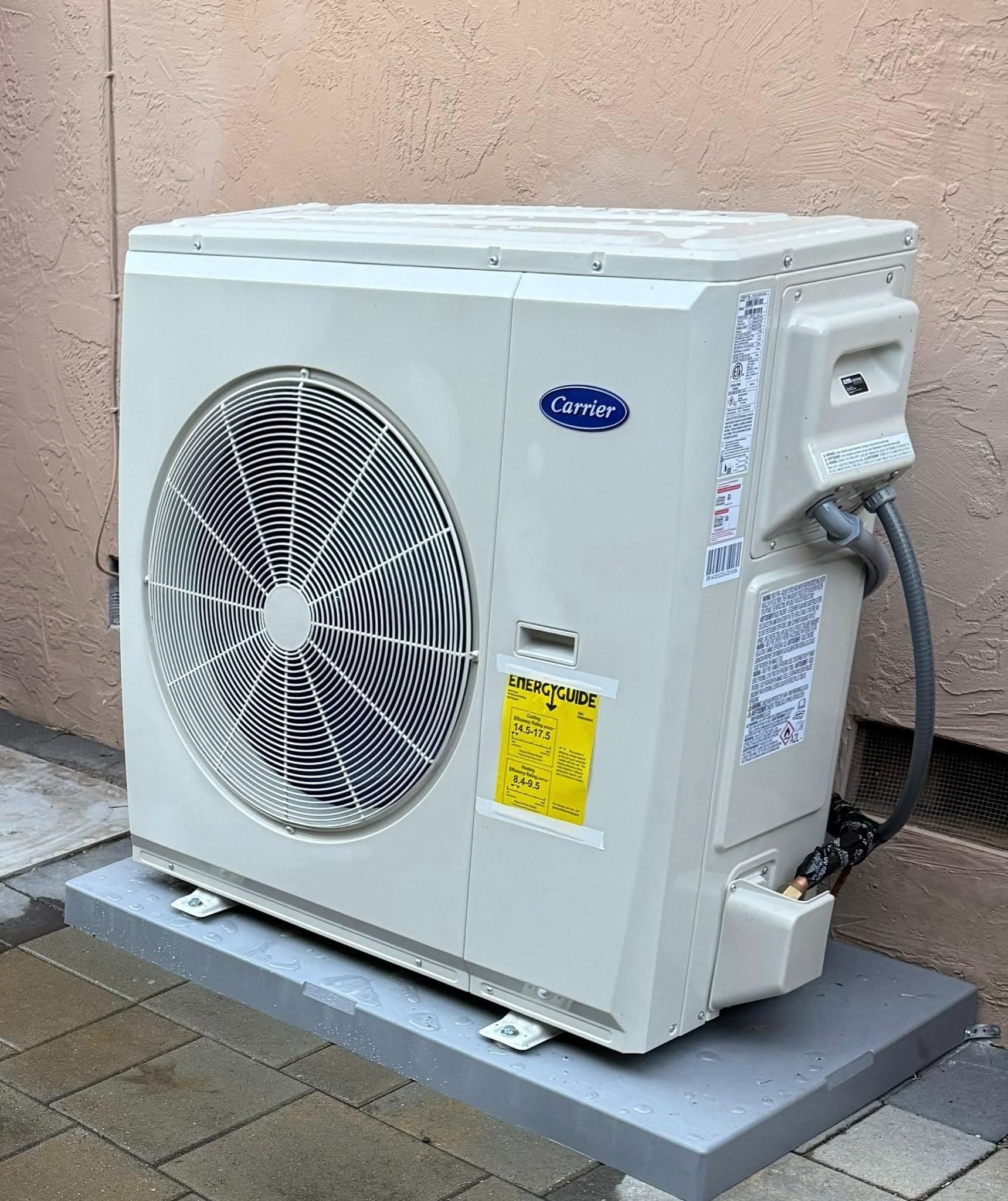
If you are planning to replace an aging AC system or install a brand-new cooling solution, one of the first questions you'll ask is:
How much does air conditioning installation cost?
The answer depends on several factors, including the size of your home, the type of HVAC system you choose, installation complexity, energy efficiency ratings, and whether ductwork or electrical upgrades are required.
For many Bay Area homeowners, heat pump installation has become one of the smartest long-term investments because it provides both heating and cooling from a single, energy-efficient system. Kailey Air Systems specializes in professional HVAC installations that are designed for maximum comfort, lower utility bills, and reliable year-round performance throughout San Jose and the surrounding Bay Area.
Average Air Conditioning Installation Cost
While every home is unique, homeowners can generally expect the following price ranges:
| Installation Type | Typical Cost |
|---|---|
| Central AC Replacement | $5,500 – $11,000 |
| New Central AC Installation | $7,000 – $14,000 |
| Heat Pump Installation | $8,000 – $16,000+ |
| Ductless Mini Split Installation | $3,000 – $10,000 |
| High-Efficiency Variable Speed System | $12,000 – $20,000+ |
Note: Actual pricing depends on equipment brand, home size, existing ductwork, labor requirements, permits, and electrical upgrades.
What Determines Air Conditioning Installation Cost?
Several factors influence your final installation price.
1. Home Size
Larger homes require larger HVAC systems with greater cooling capacity.
Typical sizing includes:
- 1.5 Ton — Small homes
- 2 Ton — 900–1,200 sq. ft.
- 2.5 Ton — 1,200–1,500 sq. ft.
- 3 Ton — 1,500–2,000 sq. ft.
- 4–5 Ton — Larger homes
Proper sizing is essential because an oversized or undersized system can increase energy costs and reduce comfort.
2. Type of HVAC System
Different systems have different installation costs.
Central Air Conditioner
The most common choice for homes with existing ductwork.
Benefits:
- Whole-home cooling
- Quiet operation
- Improved indoor comfort
- Lower maintenance
Heat Pump System
Heat pumps are becoming increasingly popular throughout California because they provide both cooling and heating using one system.
Advantages include:
- Excellent energy efficiency
- Lower utility bills
- Environmentally friendly
- Year-round comfort
- Reduced carbon emissions
Heat pumps work especially well in the Bay Area's mild climate, making them a practical choice for homeowners looking to replace both their furnace and AC with a single efficient system.
Ductless Mini Split
Perfect for:
- Room additions
- Garages
- Older homes
- Homes without ductwork
They offer excellent zoning capabilities while reducing energy waste.
Equipment Efficiency Matters
Higher efficiency equipment costs more initially but saves significantly over time.
Common efficiency ratings include:
- SEER2 Rating
- EER2
- HSPF2 (for heat pumps)
Higher-rated systems:
- Consume less electricity
- Lower monthly utility bills
- Run quieter
- Last longer
- Improve indoor comfort
Existing Ductwork Can Affect Cost
If your home's ductwork is damaged, leaking, or undersized, additional work may be necessary.
Possible upgrades include:
- Duct sealing
- Duct replacement
- Airflow balancing
- New supply vents
- Return air improvements
Efficient ductwork allows your new HVAC system to operate at peak performance.
Electrical Upgrades
Some installations require:
- New electrical circuits
- Panel upgrades
- Breaker replacements
- Disconnect switches
These improvements ensure your HVAC system operates safely and complies with local electrical codes.
Smart Thermostat Installation
Many homeowners choose to install a smart thermostat during AC replacement.
Benefits include:
- Remote control
- Energy scheduling
- Lower utility bills
- Better comfort
- Mobile app access
This small upgrade often delivers noticeable energy savings.
Why Heat Pumps Offer Better Long-Term Value
Although heat pump installation may cost slightly more than a traditional AC replacement, many homeowners recover the investment through lower operating costs.
A heat pump provides:
- Heating
- Cooling
- Better humidity control
- Improved efficiency
- Reduced maintenance
Instead of maintaining separate furnace and air conditioning systems, homeowners enjoy one integrated solution.
Kailey Air Systems installs high-efficiency heat pump systems designed specifically for Bay Area homes and climate conditions.
Additional Costs to Consider
Besides equipment, installation may include:
- Permit fees
- Old equipment removal
- Refrigerant line replacement
- Condensate drain upgrades
- Concrete equipment pad
- New thermostat
- Air filter upgrades
- Startup testing
- System calibration
Professional installation ensures every component operates correctly from day one.
Benefits of Professional HVAC Installation
Professional installation offers advantages that DIY or inexperienced work cannot match.
These include:
Proper System Sizing
Technicians calculate your home's cooling load to ensure optimal performance.
Energy Efficiency
Correct installation helps maximize efficiency and lower operating costs.
Longer Equipment Life
Proper airflow and refrigerant charging reduce wear on major components.
Warranty Protection
Many manufacturers require professional installation to maintain warranty coverage.
Better Indoor Air Quality
Correct airflow and filtration improve air quality while reducing dust and allergens.
Signs It's Time to Replace Your Air Conditioner
You may benefit from a new system if:
- Your AC is over 12–15 years old
- Repairs are becoming frequent
- Energy bills keep increasing
- Cooling is uneven
- The unit makes unusual noises
- Refrigerant leaks are common
- Your home feels humid
- Comfort has declined
Replacing an aging system often reduces repair expenses while improving efficiency and comfort.
Why Homeowners Choose Kailey Air Systems
Choosing the right HVAC contractor is just as important as choosing the equipment.
Kailey Air Systems provides:
- Licensed HVAC professionals
- Honest recommendations
- Transparent pricing
- High-efficiency system installations
- Residential HVAC expertise
- Heat pump specialists
- Quality workmanship
- Reliable customer service
- Complete system testing
- Bay Area experience since 1999
Every installation is customized to match your home's layout, comfort goals, and energy-efficiency needs.
How to Lower Your Air Conditioning Installation Cost
Homeowners can reduce costs by:
- Replacing systems before complete failure
- Choosing energy-efficient equipment
- Maintaining existing ductwork
- Scheduling installation during slower seasons
- Asking about financing options
- Taking advantage of available rebates and incentives where applicable
Is a Heat Pump Worth the Investment?
For many California homeowners, the answer is yes.
Heat pumps provide:
- Efficient cooling
- Reliable heating
- Lower carbon emissions
- Quiet operation
- Long-term energy savings
- Excellent comfort
Because the Bay Area experiences relatively mild winters, heat pumps perform exceptionally well throughout the year, making them one of the most cost-effective HVAC upgrades available.
Final Thoughts
Understanding air conditioning installation cost helps homeowners make informed decisions before replacing or upgrading their HVAC system. While upfront costs vary depending on equipment, home size, and installation requirements, investing in a professionally installed, energy-efficient system delivers long-term value through improved comfort, reduced energy bills, and greater reliability.
If you're considering replacing your current AC or upgrading to a modern heat pump installation, Kailey Air Systems offers expert guidance, transparent pricing, and professional installation services throughout San Jose and the Greater Bay Area. Their experienced technicians help homeowners choose the right system for lasting comfort and energy efficiency.
FAQs
1. What is the average air conditioning installation cost?
Most homeowners spend between $5,500 and $14,000, depending on system size, equipment type, and installation complexity.
2. Why are heat pumps more expensive than traditional AC systems?
Heat pumps provide both heating and cooling in one unit, offering greater energy efficiency and long-term savings.
3. Does installing a new AC reduce energy bills?
Yes. Modern high-efficiency HVAC systems typically consume less electricity than older units, helping reduce monthly utility costs.
4. How long does AC installation take?
Most residential installations are completed within one day, though larger or more complex projects may take longer.
5. Should I replace ductwork when installing a new AC?
If your ductwork is damaged, leaking, or undersized, replacing or repairing it can improve system performance and efficiency.
6. Is professional installation necessary?
Yes. Professional installation ensures proper sizing, safe operation, manufacturer warranty compliance, and maximum system efficiency.
7. Are heat pumps suitable for San Jose homes?
Absolutely. Heat pumps perform very efficiently in the Bay Area's moderate climate and provide reliable year-round heating and cooling.
8. How often should a new HVAC system be serviced?
Professional maintenance should be scheduled at least once a year, with heat pumps benefiting from biannual inspections because they operate year-round.