




HVAC maintenance plans get pitched to nearly every homeowner at some point — but is the annual fee actually worth it, or is it just an upsell? We looked back at our own service records and customer patterns across the Bay Area to answer this honestly, rather than just telling you what sounds good in a sales pitch.
What an HVAC Maintenance Plan Actually Includes
Before getting into whether it's worth it, it helps to know what you're actually paying for. A typical plan — including ours — covers:
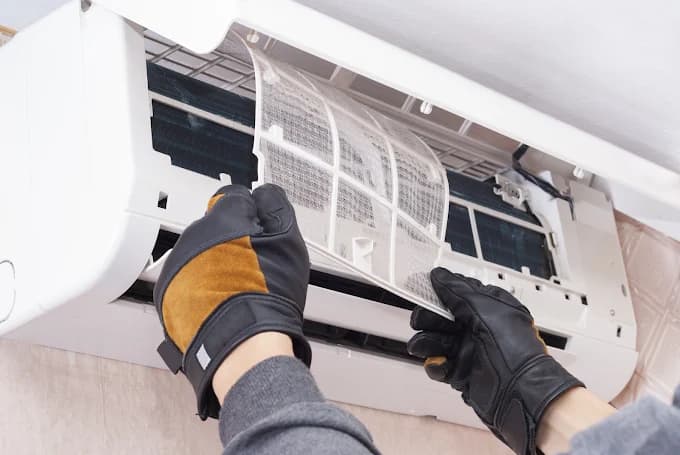
Bi-annual tune-ups (spring AC check, fall heating check)
Priority scheduling, especially valuable during peak summer and winter demand
Discounted parts and repairs if something breaks between visits
A documented service history, which matters for warranty claims and resale value
What We Found Looking at Our Own Customer Data
1. Customers on a maintenance plan call for emergency repairs far less often. Across the accounts we service, homes on a maintenance plan have meaningfully fewer emergency, after-hours service calls compared to homes we only see when something has already broken. The pattern is consistent: catching a weak capacitor or a refrigerant leak during a routine spring check-up means it gets fixed on a technician's normal schedule, not during a 100-degree Saturday when everyone else's AC is failing too.
2. Systems on a maintenance plan last noticeably longer. The manufacturer's rated lifespan for most residential AC and furnace units is 15–20 years. In our service history, units on a consistent maintenance schedule tend to reach or exceed that upper range far more often than units that only get attention when something goes wrong. Small issues — a dirty coil, a slightly low refrigerant charge, a fraying electrical connection — compound over years if nobody catches them early.
3. The discount on parts and repairs pays for itself for most households. Most plans include a meaningful discount (commonly 10–15%) on any repair work needed outside the covered visits. For a household that needs even one moderate repair a year — a capacitor, a blower motor, a thermostat replacement — the discount alone often covers a significant portion of the plan's annual cost.
4. Priority scheduling matters more than people expect. During the first heat wave or cold snap of the season, non-plan customers can wait several days for a non-emergency appointment simply due to volume. Plan customers get bumped to the front of that queue. For anyone who's ever gone three days without AC in a Bay Area summer, this alone changes the calculation.
Where a Maintenance Plan Is Less Necessary
To be fair, not every household needs one:
Brand-new systems (under 2 years old) are usually still under manufacturer warranty and unlikely to need repairs yet — though an annual tune-up is still smart to keep that warranty valid, since many manufacturers require documented maintenance.
Rental properties with infrequent HVAC use sometimes see less benefit, since usage patterns and wear are lower to begin with.
Homeowners planning to replace their system within the next year or two may get more value from putting that money toward the new installation instead.
The Real Cost-Benefit Breakdown
The honest way to think about it: a maintenance plan is essentially cheap insurance against the two most expensive HVAC outcomes — an emergency breakdown during peak season, and a full system replacement years before it should be necessary. The annual plan cost is almost always lower than a single unplanned emergency repair call, and far lower than replacing a system that failed years early due to neglected maintenance.
That said, a maintenance plan isn't magic — a badly undersized system or one with a pre-existing installation issue will still have problems no matter how often it's serviced. The plan works best as a way to catch small issues before they become expensive ones, not as a fix for a system that was set up wrong from the start.
Our Honest Take
If your system is more than two years old, we'd genuinely recommend a maintenance plan for most Bay Area households — the math tends to work out in the homeowner's favor, and the peace of mind of not worrying about an August AC failure is worth something on its own. If your system is newer or you're planning a replacement soon, individual tune-ups as needed may make more sense for now.
Curious what a maintenance plan would look like for your specific system?
Kailey Air Systems offers plans with priority 24/7 scheduling, 15% parts discounts, and bi-annual deep tuning. Call (408) 300-0016 or check out our maintenance plan details online to see if it fits your home.