




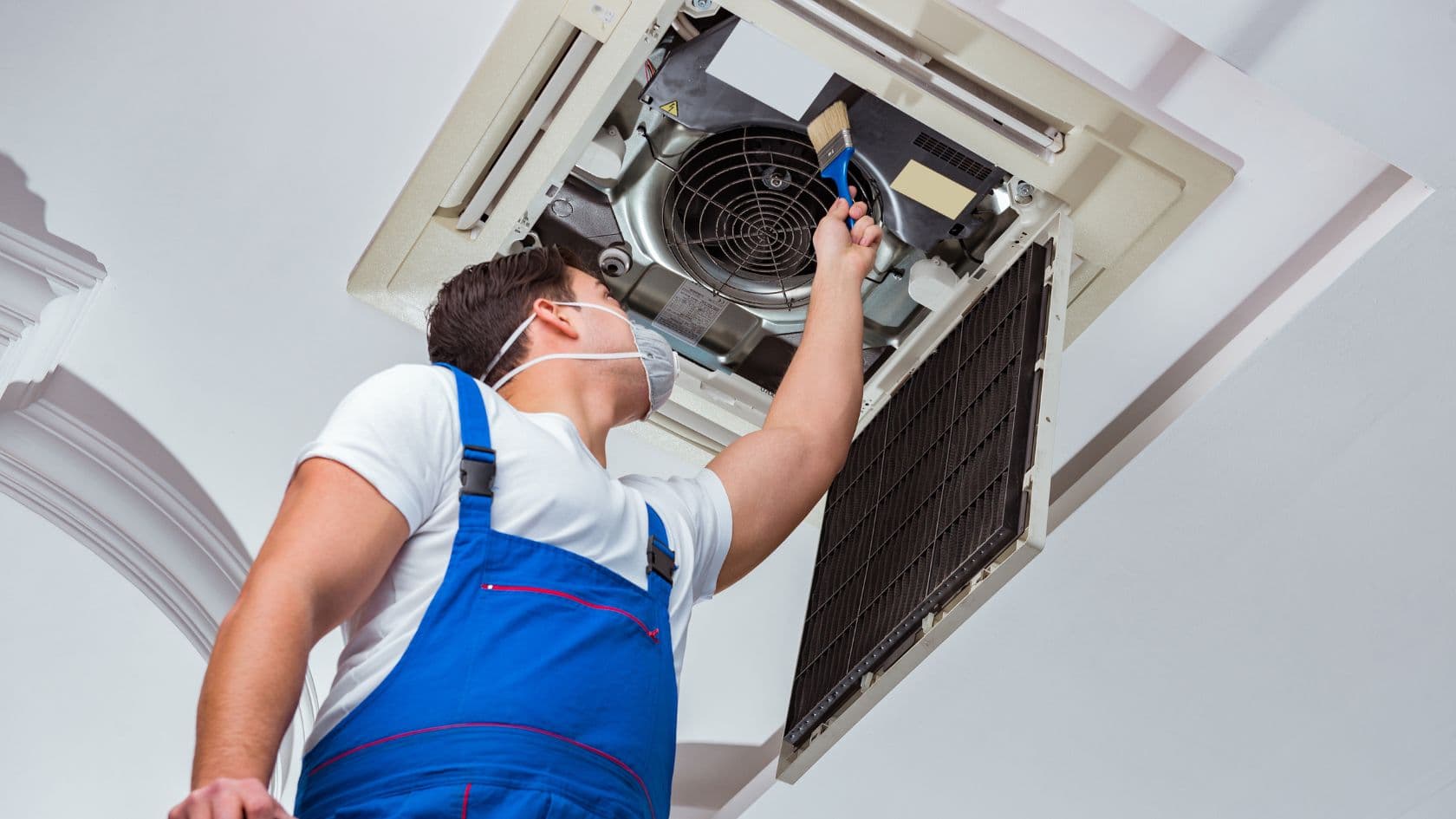
When your AC stops working in the middle of a Bay Area heat wave, it's tempting to call for emergency service immediately — and often that's exactly the right call. But after years of emergency dispatches, we've found that a small number of AC "failures" turn out to be quick fixes anyone can check in under five minutes. Here's what our technicians actually check first when they arrive, so you can potentially save yourself a wait — or at least give the technician better information up front.
1. Check Your Thermostat Settings and Batteries
This sounds almost too obvious to mention, but it accounts for a real share of the "my AC won't turn on" calls we receive. A few quick things to verify:
Is it set to "Cool," not "Fan" or "Heat"? It's easy to accidentally bump a setting, especially with smart thermostats that have touch-sensitive screens.
Is the set temperature actually below the current room temperature? If your thermostat is set to 74°F and the room is already 72°F, the system won't kick on — that's working correctly, not a malfunction.
Are the batteries low? Many thermostats run on batteries even if they're wired in, and a dying battery can cause a blank or unresponsive screen that looks like a bigger problem than it is.
When to call us instead: If your thermostat screen is completely dead even after a battery swap, or if it's set correctly but the system still won't respond, that points to a wiring or control board issue that needs a technician.
2. Check Your Circuit Breaker
AC units draw a significant amount of power, especially on startup, and it's common for a breaker to trip — particularly on hot days when multiple appliances are running at once.
Locate your electrical panel and look for a breaker labeled "AC," "HVAC," or "Condenser" that's in the middle position rather than fully on or off.
Reset it by switching fully off, then fully on. Don't just push it toward "on" from the middle position — that can leave it in a bad state.
Also check the disconnect switch near your outdoor unit, which is a separate shutoff that's sometimes bumped or intentionally switched off during other work (like landscaping) and forgotten.
When to call us instead: If the breaker trips again immediately after resetting, stop trying to reset it repeatedly. A breaker that trips right away usually indicates an electrical short or a failing component, and repeatedly resetting it can create a fire risk.
3. Check Your Air Filter and Outdoor Unit for Airflow Blockages
A severely clogged filter can cause enough airflow restriction that your system either shuts off entirely as a safety measure or freezes the evaporator coil, which will make it seem like the AC has completely failed.
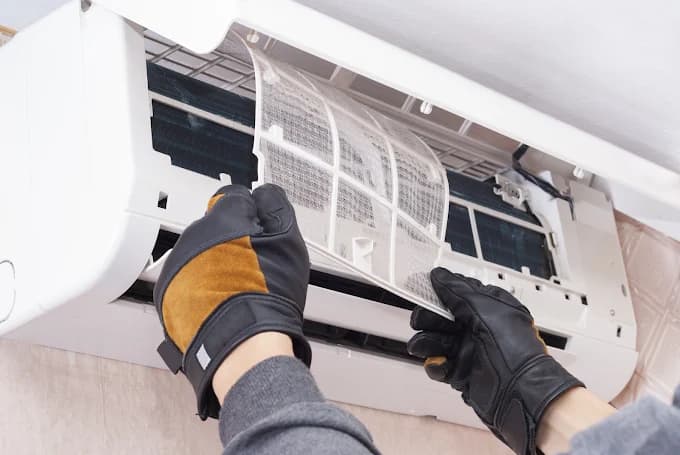
Pull out your air filter and hold it up to a light. If you can't see light coming through it, it's overdue for a replacement.
Check for ice on the indoor unit or refrigerant lines. If you see frost or ice buildup, turn the system off completely (switch to "fan only" or off) and let it thaw for a few hours before running it again — running a frozen system can damage the compressor.
Walk outside and check the condenser unit for any obvious blockages — overgrown plants, patio furniture, leaves, or debris pressed against it can restrict airflow enough to cause performance issues or shutdowns.
When to call us instead: If you find ice buildup, don't try to run the system again once it's thawed without having it checked — ice on the coil is often a symptom of low refrigerant or restricted airflow that needs a proper diagnosis, not just a one-time fix.
When to Skip All of This and Call Immediately
Some situations aren't worth troubleshooting yourself:
You smell burning or see smoke near the unit or electrical panel
The breaker trips immediately and repeatedly after reset
There's visible water leaking heavily from the indoor unit
The outdoor unit is making loud grinding, screeching, or banging noises
In any of these cases, turn the system off at the thermostat and call for service right away rather than continuing to investigate.
Why This Matters Beyond Saving a Service Call
Beyond potentially saving yourself a wait, checking these three things first gives our technicians much better information when they do arrive. Telling us "the breaker keeps tripping immediately" versus just "it's not working" helps us bring the right parts and diagnose the issue faster — which often means a shorter, less expensive visit.
Still stuck after checking all three?
That's exactly what we're here for. Kailey Air Systems offers 24/7 emergency AC repair across the Bay Area with no after-hours surcharge. Call (408) 300-0016 anytime, day or night.